
Introduction
Gas leaks in industrial, commercial, and residential settings can be incredibly dangerous. Toxic gases such as carbon monoxide, hydrogen sulfide, and methane can cause everything from health issues to catastrophic explosions if not detected early. For industries and households that work with or are near such gases, having the right equipment to identify potential hazards is crucial. This is where gas detectors and gas analyzers come into play.
While both tools help monitor gas levels, they serve different functions. Understanding their unique roles is key to selecting the right tool for your needs. Whether you need fast, real-time alerts or precise gas composition data, these devices offer critical support in maintaining a safe environment.
What Are Gas Detectors?
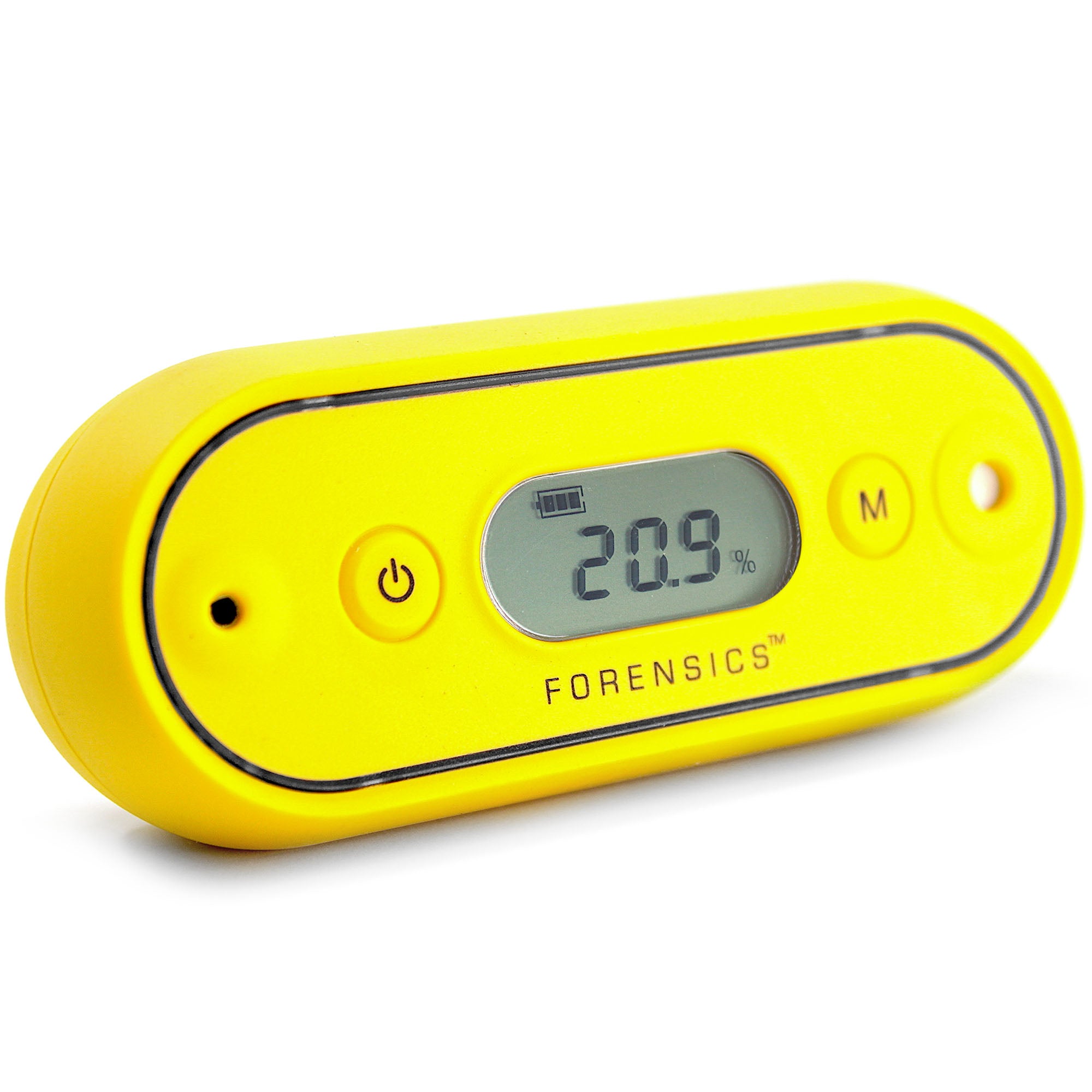
Gas detectors are devices designed to detect the presence of hazardous gases in the air. These devices are typically used for quick, real-time monitoring to alert individuals when gas levels reach dangerous concentrations. Gas detectors can be handheld or fixed, depending on the application.
Key Features of Gas Detectors:
-
Immediate Alerts: Gas detectors are equipped with alarms (audible and visual) that activate when a gas leak is detected, ensuring fast response times.
-
Portability: Many gas detectors are compact and portable, making them ideal for use in confined spaces or for mobile applications.
-
Simplicity and Speed: Gas detectors provide rapid readings of gas concentration levels, allowing users to react swiftly to prevent accidents.
Commonly used in industries such as oil and gas, chemical manufacturing, and firefighting, gas detectors are essential for safeguarding personnel in environments where gas leaks are a significant risk. They’re perfect for emergency situations, offering rapid detection and immediate warnings.
What Are Gas Analyzers?
Gas analyzers, on the other hand, are designed to measure the concentration and composition of gases with high precision. Unlike gas detectors, which primarily focus on triggering alarms for safety, gas analyzers provide detailed readings of gas levels and allow for in-depth analysis. These devices are essential for applications where understanding gas compositions is crucial, such as in environmental monitoring, research, or quality control.
Benefits of Gas Analyzers:
-
Precise Measurements: Gas analyzers can measure gas concentrations down to parts per million (ppm) or even parts per billion (ppb), making them suitable for applications requiring exact data.
-
Multi-Gas Detection: Some gas analyzers can detect and measure multiple gases simultaneously, providing a comprehensive overview of the environment’s air quality.
-
Regulatory Compliance: Gas analyzers are essential for businesses that need to meet specific environmental regulations by providing accurate and verifiable gas concentration data.
Gas analyzers are typically used in laboratories, research settings, and industrial facilities where continuous monitoring and precise gas measurement are required.
Gas Detectors vs. Gas Analyzers: Which One Do You Need?
When deciding between a gas detector and a gas analyzer, it’s important to consider your specific needs:
Choose a Gas Detector If:
-
You need immediate alerts in case of a gas leak.
-
You’re working in high-risk areas where gas leaks pose a significant safety threat.
-
You prefer a portable, easy-to-use solution that requires minimal setup.
Choose a Gas Analyzer If:
-
You need accurate, quantitative data on gas concentration and composition.
-
You require continuous monitoring of gases over time, for compliance or research purposes.
-
You need to monitor multiple gases simultaneously for a more detailed analysis.
Conclusion
Both gas detectors and Heliumgas analyzers are indispensable tools for ensuring safety and precision in environments with potential gas hazards. While gas detectors are ideal for providing immediate alerts and preventing accidents, gas analyzers offer in-depth analysis, making them suitable for continuous monitoring and regulatory compliance.