
The Spectra S1 Pro Breast Pump is a popular choice among breastfeeding and pumping parents who want the convenience of a rechargeable breast pump. Because it has a built-in rechargeable battery, you do not always need to stay close to a wall outlet while expressing milk. This makes it especially useful for parents who pump at work, while traveling, or during busy days at home.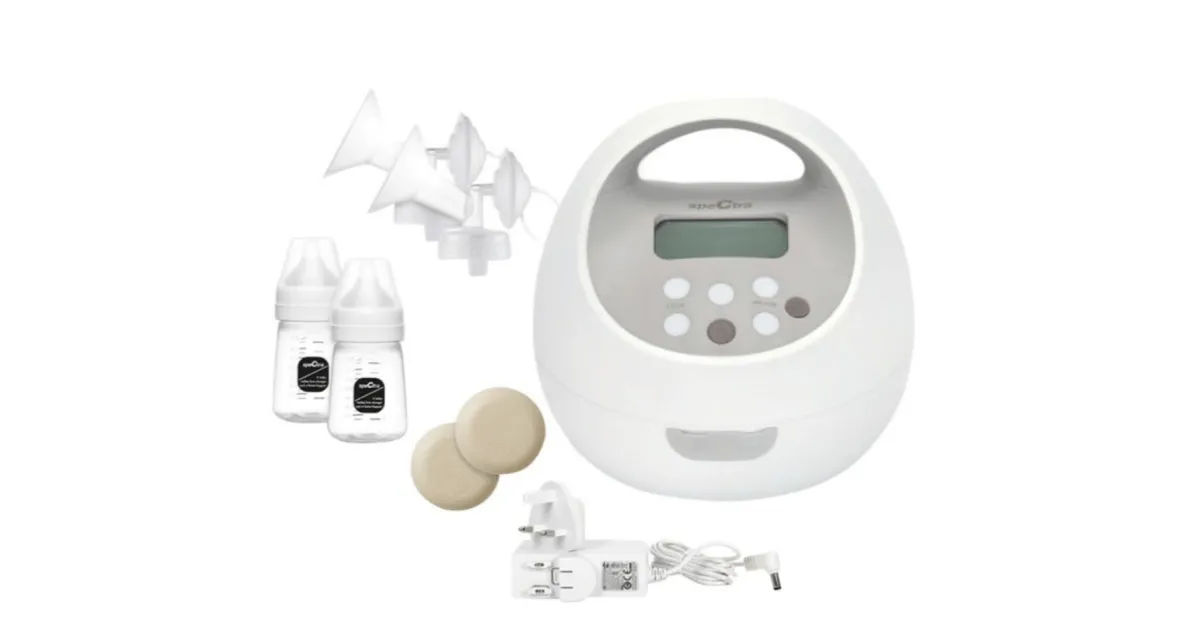
One of the most common questions new owners ask is how long the Spectra S1 Pro Breast Pump takes to charge. In general, a completely depleted battery can take approximately 2 to 3 hours to reach a full charge, although the exact charging time can vary depending on the battery condition, charger, temperature, and how the pump is being used.
Knowing how the charging system works can help you plan your pumping schedule more effectively. It can also help you avoid situations where you suddenly discover that your pump does not have enough battery power for your next session.
The Spectra S1 Pro Breast Pump is designed to make pumping more flexible. Its rechargeable battery is one of the features that separates it from many traditional electric breast pumps that must remain plugged into a power source. However, like any rechargeable electronic device, the battery needs to be charged properly and maintained over time.
This guide explains how long charging usually takes, what factors affect charging speed, how to know when the battery is fully charged, how long the battery may last during pumping, and what you can do if your pump seems to charge slowly.
How Long Does the Spectra S1 Pro Breast Pump Take to Fully Charge?
A full charge for the Spectra S1 Pro Breast Pump generally takes around 2 to 3 hours when the battery is significantly depleted.
The exact time is not always identical for every charging cycle. A battery that is almost empty may need longer than one that still has some power remaining. Similarly, an older battery may behave differently from a newer one.
For most users, charging the pump overnight or during a period when they are not actively pumping is an easy way to keep the battery ready. If you know you will be away from home for several hours, charging the pump in advance can give you additional peace of mind.
It is also important to understand that charging time and operating time are two different things. A pump may take a few hours to charge fully, but the amount of pumping time you get from that charge depends on factors such as suction settings, pumping frequency, and battery age.
If you frequently pump multiple times throughout the day, it is helpful to develop a simple charging routine. For example, you might charge the pump after your final pumping session of the evening so that it is ready for the following day.
Why Does the Spectra S1 Pro Breast Pump Need Several Hours to Charge?
Rechargeable batteries are designed to store electrical energy gradually. The charging system controls how much electricity enters the battery to protect it and maintain battery performance.
The Spectra S1 Pro Breast Pump uses a rechargeable battery that allows the pump to operate without being continuously connected to a power outlet. The battery needs enough time to receive and store the energy required for portable operation.
Charging speed is influenced by the battery's current charge level. When the battery is almost completely empty, it naturally takes longer to recharge than when it is only partially depleted.
The charging process may also slow down as the battery approaches full capacity. This is common in rechargeable electronic devices because the charging system is designed to manage the battery safely rather than simply sending maximum power continuously.
For this reason, it is not unusual for the final portion of the charging process to take longer than expected.
How Can You Tell When the Pump Is Fully Charged?
The pump's display and charging indicators can help you determine the battery's status.
When you connect the pump to its appropriate power adapter, the battery indicator should provide information about the charging process. Depending on the specific model and battery condition, the indicator may change as the battery becomes more charged.
It is a good idea to become familiar with the battery symbol when you first receive your pump. This makes it easier to estimate how much power remains before your next pumping session.
If you are unsure whether the pump is charging, check that the power adapter is firmly connected to both the pump and the electrical outlet. A loose connection can prevent charging even when the pump appears to be plugged in.
You should also check the outlet itself. If the outlet is not working, the pump will not receive power.
Does the Pump Charge While You Are Using It?
The Spectra S1 Pro Breast Pump can be connected to a power source while operating, which means you can use it while plugged in if necessary.
This can be helpful if the battery is low and you need to pump immediately. Instead of waiting several hours for a complete recharge, you can connect the pump to its power source and continue your pumping session.
However, relying on the pump while it is connected to power all the time may reduce some of the convenience that comes with having a rechargeable model.
One of the main advantages of the Spectra S1 Pro Breast Pump is portability. Keeping the battery adequately charged allows you to take advantage of that feature when you need it.
If you regularly find yourself pumping while connected to the charger because the battery is frequently low, it may be worth changing your charging routine.
How Long Does the Battery Last After a Full Charge?
The operating time of a fully charged Spectra S1 Pro Breast Pump depends on how you use it.
A parent who pumps once or twice a day may be able to use the pump for several days before needing to recharge. Someone who pumps frequently throughout the day will naturally use the battery faster.
Your suction level can also influence battery consumption. Higher settings may require more power than lower settings, although the exact difference depends on how the pump is operated.
The length of each pumping session matters as well. A parent who pumps for 15 minutes per session will generally consume less battery power than someone who pumps for 30 minutes each time.
For frequent pumping, it is best not to wait until the battery is completely empty before charging. A regular charging routine can help ensure the pump is available whenever you need it.
What Factors Affect Charging Time?
Several factors can affect how quickly the Spectra S1 Pro Breast Pump charges.
The first is the remaining battery level. This is the most obvious factor. A nearly empty battery needs more time than a partially charged battery.
The second factor is battery age. Rechargeable batteries naturally lose some capacity over time. As a battery ages, it may take longer to charge, hold less power, or discharge more quickly.
The charger and power source can also matter. Using the correct charger designed for the pump helps ensure that the device receives the appropriate power.
Temperature is another consideration. Extremely hot or cold conditions can affect the performance of rechargeable batteries. Keeping the pump and charger in a normal indoor environment is generally preferable.
Finally, the condition of the charging cable and adapter can affect charging. Damaged cables, bent connectors, or loose connections may interrupt the charging process.
Can You Leave the Pump Charging Overnight?
Many parents prefer to charge their pump overnight because it is convenient and allows the device to be ready for the following morning.
However, it is always best to follow the manufacturer's instructions regarding charging and battery care. Use the recommended power adapter and avoid using damaged charging equipment.
You should also place the pump on a stable, dry surface while it is charging. Keep the charger and pump away from water, excessive heat, and other potential hazards.
If you notice unusual heat, a damaged cable, a strange smell, or other signs of a battery problem, stop using the device and consult the manufacturer or an authorized service provider.
The goal is to make charging part of your normal routine without creating unnecessary stress.
What Should You Do If the Pump Charges Slowly?
If your Spectra S1 Pro Breast Pump seems to take much longer than expected to charge, start with the simplest possible explanations.
First, check the power connection. Make sure the charger is fully inserted into the pump and the outlet.
Next, try a different electrical outlet. The original outlet may have a problem that is preventing the pump from receiving consistent power.
You should also inspect the charging adapter and cable. Look for visible damage, fraying, bent connectors, or loose parts.
If the charger appears damaged, do not continue using it. A damaged power accessory can create safety risks and may also prevent the battery from charging correctly.
If the pump still charges unusually slowly with the correct charger and a working outlet, the battery may be aging or there may be an issue with the pump's charging system.
At that point, contacting the manufacturer or an authorized service provider is the best option.
How Can You Improve Your Charging Routine?
A good charging routine can make everyday pumping much easier.
One simple approach is to charge the pump after your last pumping session of the day. This gives the battery several hours to recharge before you need it again.
Another approach is to charge it whenever the battery level becomes noticeably low. You do not necessarily have to wait until the battery is completely empty.
If you work outside the home, consider charging the pump before leaving for work. This is particularly important if you expect to pump several times during the day.
Parents who travel should also make charging part of their preparation routine. Before leaving home, check the battery level and make sure you have the correct charging equipment.
A few minutes of preparation can prevent a major inconvenience later.
Why Battery Management Matters for Pumping Parents
For someone who pumps regularly, battery management is more than a simple convenience.
If your pump runs out of power unexpectedly, you may have to stop your session or find a power outlet. This can be especially frustrating when you are at work, traveling, or caring for a baby.
Keeping the battery charged gives you greater flexibility.
It also reduces the need to carry the pump's power adapter everywhere. While it is still wise to bring the charger on longer trips, a fully charged battery gives you more freedom to move around.
The rechargeable design is one of the reasons many parents choose the Spectra S1 Pro Breast Pump. It combines electric pumping with greater mobility, making it practical for different daily routines.
Does Frequent Charging Damage the Battery?
Modern rechargeable batteries are designed to be charged repeatedly.
You do not need to avoid charging the pump simply because it still has some battery remaining. In everyday use, charging the device when convenient is usually more practical than waiting for the battery to become completely empty.
However, battery performance naturally changes over time. After many charging cycles, the battery may not hold as much energy as it did when it was new.
This is normal for rechargeable batteries.
If you notice that your pump used to operate for many sessions on one charge but now needs to be recharged much more frequently, the battery may have lost some of its original capacity.
In that situation, check the manufacturer's recommendations for battery replacement or service.
How Does Battery Age Affect Charging Time?
Battery age can have a significant effect on performance.
A newer battery may charge efficiently and provide a predictable amount of pumping time. As the battery becomes older, its capacity can decrease.
This does not necessarily mean that the pump suddenly becomes unusable. Instead, you may notice that the pump needs charging more often.
Some users may also notice that the battery indicator appears to change differently than before. For example, the pump may show a full charge but lose power more quickly during use.
When this happens, the issue may not be the charging adapter. The battery itself could simply be reaching the later stages of its useful life.
If you have owned the pump for a long time and charging performance has changed significantly, professional evaluation may be appropriate.
Is It Better to Charge Before the Battery Is Empty?
For everyday convenience, charging before the battery is completely empty is often a good strategy.
You do not have to wait until the pump shuts down before connecting it to power.
Keeping a reasonable amount of charge available can be particularly helpful for parents who have unpredictable schedules. Babies do not always follow a convenient timetable, and pumping needs can change throughout the day.
If the battery is already low, plugging the pump in for a while can provide additional power for future use.
A simple habit of checking the battery indicator before each session can help prevent unpleasant surprises.
What If the Pump Does Not Charge at All?
If the Spectra S1 Pro Breast Pump does not appear to charge, check the power source first.
Make sure the outlet works by testing another device. Then inspect the adapter and cable for visible damage.
Confirm that all connections are secure.
If the pump still does not charge, there may be an issue with the adapter, charging port, battery, or internal electronics.
Avoid attempting to repair the internal battery yourself. Breast pumps are electrical devices, and improper repairs can create safety problems or damage the equipment.
Instead, contact the manufacturer's customer support team or an authorized repair service for guidance.
If the pump is still under warranty, check your warranty documentation before paying for repairs or replacement parts.
How Should You Store the Pump Between Uses?
Proper storage can help protect the pump and its battery.
Keep the device in a clean, dry location away from extreme temperatures.
Avoid leaving the pump in a hot vehicle for long periods. Excessive heat can affect electronic components and rechargeable batteries.
If you are storing the pump for an extended period, check the manufacturer's recommendations for battery storage. Rechargeable batteries generally perform better when they are not left completely depleted for very long periods.
Before returning to regular use after extended storage, check the battery level and inspect the pump for any visible damage.
Should You Carry the Charger When Traveling?
Even though the Spectra S1 Pro Breast Pump has a rechargeable battery, carrying the charger while traveling is a smart idea.
A fully charged battery may be enough for your planned activities, but unexpected delays can happen.
You might need to pump more frequently than expected, travel longer than planned, or find yourself without access to a suitable power outlet.
Having the charger with you provides an extra layer of security.
For longer trips, it is especially important to plan when and where you will recharge the pump.
If you are flying or traveling internationally, also consider the electrical standards at your destination and make sure your charging equipment is appropriate for your travel situation.
What Is the Best Time to Charge the Pump?
There is no single perfect time to charge your pump.
The best time depends on your personal pumping schedule.
For many parents, nighttime is convenient because the pump can recharge while they sleep. Others may prefer to charge it during the day when they are not using it.
If you pump frequently, you may want to charge the pump after several sessions rather than waiting until the battery is nearly empty.
The key is consistency.
A simple charging habit is often more useful than trying to find a specific "best" time.
Common Mistakes That Can Affect Charging
One common mistake is using an incorrect or incompatible charger.
Another is assuming that a pump is charging simply because the adapter is plugged into an outlet. It is better to check the charging indicator and confirm that the battery level is increasing.
Some people also overlook damaged cables. A cable may appear normal on the outside but still have an internal problem.
Another mistake is storing the pump in extreme temperatures.
Finally, some users wait until the last minute to charge. If you know you will need the pump later, charging it in advance is a much safer strategy.
How to Make the Most of the Rechargeable Battery
The easiest way to get the most from your battery is to establish a routine.
Check the battery indicator regularly.
Charge the pump when it is convenient rather than waiting until it reaches zero.
Use the correct charging equipment.
Keep the pump away from excessive heat and moisture.
Pay attention to changes in battery performance.
These habits can help you avoid unexpected interruptions and make portable pumping more convenient.
The rechargeable design of the Spectra S1 Pro Breast Pump is particularly valuable for parents who need flexibility. Whether you are working, traveling, or simply moving between rooms at home, not having to remain next to an outlet can make pumping easier.
Frequently Asked Questions About Charging
How long does the Spectra S1 Pro Breast Pump take to charge?
A completely depleted pump generally takes approximately 2 to 3 hours to reach a full charge. Actual charging time can vary depending on battery condition, remaining power, charger condition, and other factors.
Can I use the pump while it is charging?
Yes, the pump can be operated while connected to an appropriate power source. This can be useful when the battery is low and you need to pump immediately.
How do I know if the pump is charging?
The battery indicator on the pump can help you monitor the charging process. If you do not see signs of charging, check the outlet, adapter, cable, and connections.
Why is my pump taking longer to charge than before?
An aging battery is one possible reason. A damaged charger, cable, or charging connection can also contribute to slow charging.
Should I wait until the battery is empty before charging?
No. You can charge the pump when the battery is low or whenever it is convenient for your schedule. Waiting for the battery to reach zero is not necessary for normal everyday use.
Can I charge the pump overnight?
Many people choose to charge their pump overnight for convenience. Follow the manufacturer's charging recommendations and use the correct power equipment.
How often should I charge the pump?
The answer depends on how frequently you pump. People who pump several times a day will need to recharge more often than those who pump occasionally.
What should I do if my pump will not charge?
Check the outlet, power adapter, cable, and connections. If the problem continues, contact the manufacturer or an authorized service provider rather than attempting an internal repair yourself.
Conclusion
Understanding how long the Spectra S1 Pro Breast Pump takes to charge can make your daily pumping routine much easier to manage. A completely depleted battery generally needs around 2 to 3 hours to reach a full charge, although actual charging time can vary depending on several factors.
The most important thing is to think about charging as part of your regular routine rather than something you only do when the battery is completely empty. Checking the battery level before pumping and charging the pump during convenient periods can help you avoid unexpected interruptions.
For parents who pump regularly, planning ahead is particularly valuable. If you know you will be away from home, traveling, working, or pumping several times during the day, start with a sufficient battery charge. Carrying the appropriate charger can also provide additional peace of mind.
It is equally important to pay attention to changes in charging performance. If your pump suddenly takes much longer to charge, loses power unusually quickly, or stops charging altogether, check the basic components first. The outlet, adapter, cable, and connections are all worth inspecting before assuming that the pump itself has failed.
Battery aging is another factor to remember. Rechargeable batteries do not maintain their original performance forever. Over time, you may notice shorter operating times or more frequent charging. This is a normal part of battery use, but significant changes should be evaluated according to the manufacturer's recommendations.
Overall, the rechargeable battery is one of the most practical features of the Spectra S1 Pro Breast Pump. With a typical full charging period of approximately 2 to 3 hours, parents can plan their pumping schedule around the battery and enjoy greater flexibility than with a pump that must remain plugged in continuously.
The best approach is simple: keep the pump reasonably charged, use the correct charging equipment, store it properly, and monitor the battery's performance over time. A little preparation can make a significant difference, especially when pumping is an important part of your daily routine.
If you are using the Spectra S1 Pro Breast Pump regularly, creating a consistent charging habit can help ensure that it is ready when you need it. Rather than waiting for the battery to reach zero, consider charging it during a convenient part of your day or overnight according to the manufacturer's instructions.
In the end, knowing the approximate 2-to-3-hour charging window gives you a useful starting point for planning. Your exact experience may differ slightly, but understanding the factors that affect charging time will help you manage the pump more confidently and avoid unnecessary disruptions to your pumping routine.