
Choosing the right products can make a significant difference in everyday comfort, convenience, and satisfaction. However, with so many options available, selecting products that match your needs can sometimes feel confusing. Whether you are purchasing something for personal use, your home, or professional purposes, understanding product quality, features, materials, and value is essential. Coba products are worth evaluating carefully so that you can make informed purchasing decisions based on your requirements rather than simply choosing the most attractive or affordable option.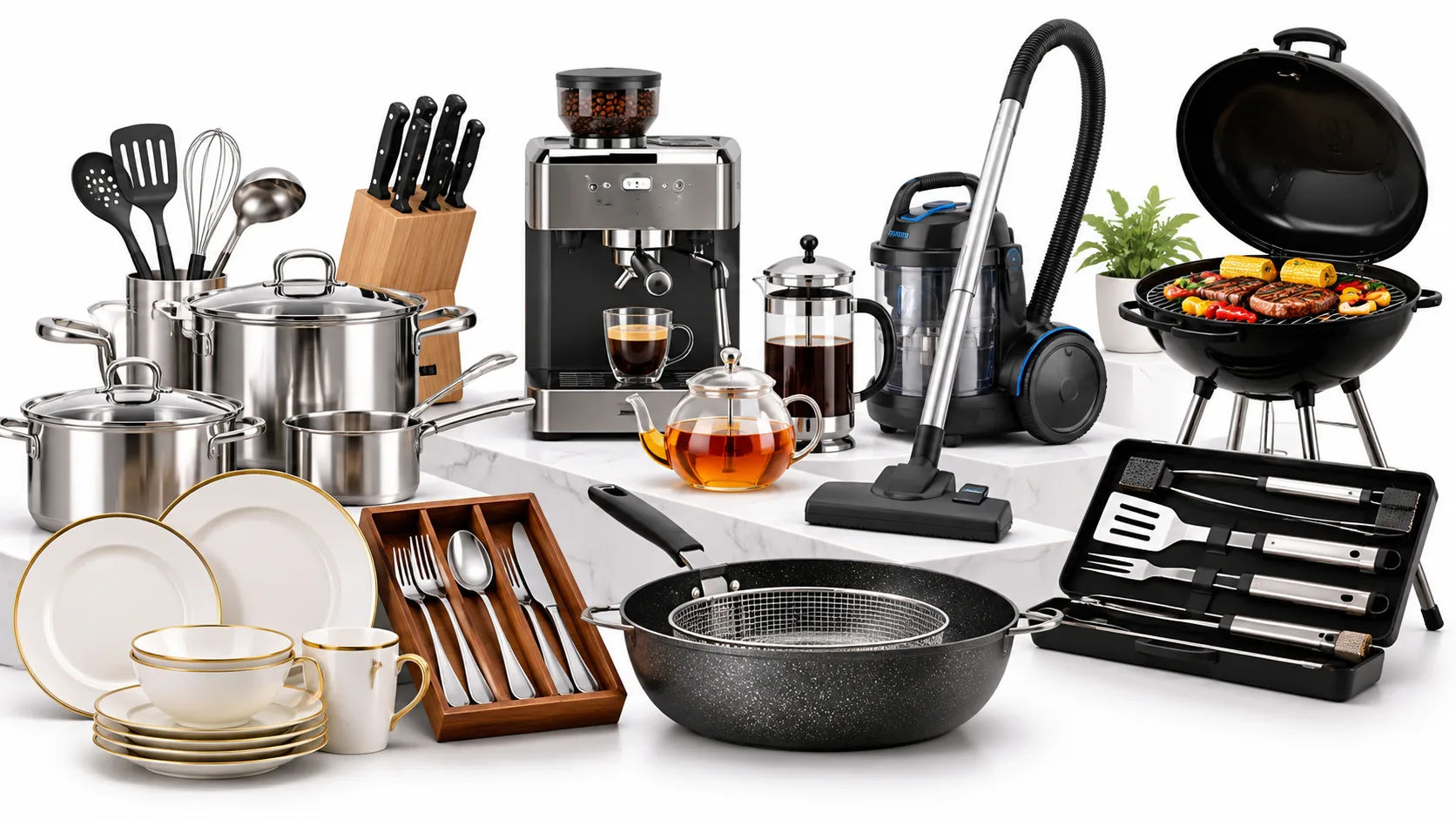
A good buying decision begins with identifying what you need and understanding which product characteristics matter most. Instead of rushing into a purchase, take time to compare available options, examine important specifications, and consider how frequently you will use the product. This approach helps you avoid unnecessary expenses and select something that provides lasting value.
In this comprehensive guide, you will learn how to choose suitable products, compare different options, understand quality indicators, evaluate prices, and make confident purchasing decisions. These practical tips will help you develop a clear buying strategy and select products that meet your expectations.
Your Requirements Before Buying
The first step in choosing any product is understanding your personal requirements. Every buyer has different expectations, budgets, and priorities. A product that works perfectly for one person might not be suitable for another.
Before exploring available options, consider why you need the product and what you expect it to accomplish.
Identify Your Main Purpose
Start by identifying the primary purpose of your purchase. Think about the problem you want to solve or the improvement you want to make.
For example, if you are purchasing something for everyday use, durability and convenience might be your main priorities. If the product is intended for professional purposes, performance, reliability, and advanced features may be more important.
When comparing Coba products, understanding their intended purpose can help you narrow down your choices. Avoid purchasing an item simply because it looks appealing or has several impressive features.
Instead, focus on whether those features actually provide benefits in your daily routine.
Consider Your Lifestyle
Your lifestyle also influences which products will be most appropriate.
People with busy schedules often prefer products that are easy to use and maintain. Others may prioritize advanced functionality, appearance, or specialized performance.
Consider the following questions:
-
How frequently will you use the product?
-
Will you use it at home or professionally?
-
Does it need to be portable?
-
Will other family members use it?
-
Does it require regular maintenance?
-
How long do you expect it to last?
Answering these questions creates a practical foundation for your purchasing decision.
Research the Available Product Options
Research is one of the most important parts of shopping. It allows you to understand what is available and identify products that offer the features you actually need.
Rather than choosing the first option you discover, explore different product categories and compare their characteristics.
Explore Product Categories
Start by understanding the different categories available under the brand or product range you are considering.
Some categories may be designed for everyday convenience, while others may focus on specialized functions or professional applications.
Make a list of the categories relevant to your needs. This prevents you from spending time comparing products that are unsuitable for your intended purpose.
When researching Coba, look for clear product descriptions and reliable specifications. These details help you understand what each option offers.
Do not assume that two products are identical simply because they have similar appearances.
Compare Different Models
Once you have identified the relevant categories, compare individual models.
Pay attention to their specifications, dimensions, materials, features, and intended applications.
A comparison can help you identify differences that might not be immediately noticeable.
For instance, one product may offer additional convenience, while another may provide better durability. The more expensive option is not automatically the better choice.
Focus on the features that make a meaningful difference to your requirements.
Examine Product Quality Carefully
Quality should be among your highest priorities when purchasing any item. A product might have an attractive appearance and competitive price, but poor construction can reduce its usefulness over time.
Evaluating quality before buying helps you avoid disappointment.
Check Materials and Construction
Materials influence a product's durability, appearance, maintenance requirements, and overall performance.
Depending on the product category, examine whether the materials appear suitable for the intended application.
Look for:
-
Strong and consistent construction.
-
Reliable finishing and surface quality.
-
Materials appropriate for regular use.
-
Well-fitted components.
-
Clear manufacturing information.
-
Appropriate safety and quality certifications.
These characteristics can provide useful indications of product quality.
When considering Coba products, examine available material descriptions instead of relying entirely on promotional photographs.
Product specifications provide a better understanding of what you are purchasing.
Look for Signs of Durability
Durability determines how well a product performs after repeated use.
A durable product can reduce replacement costs and provide better long-term value.
Check whether the manufacturer provides information about expected product life, maintenance, operating conditions, or recommended usage.
If customer reviews mention recurring problems such as damaged components, poor finishing, or declining performance, investigate those concerns before purchasing.
Remember that durability depends on both manufacturing quality and how appropriately the product is used.
Evaluate Features and Functionality
Features are another important consideration when comparing products. However, having more features does not necessarily mean that an item is more useful.
The best product is usually the one that offers the right combination of functionality and simplicity.
Prioritize Essential Features
Separate essential features from optional features before making your decision.
Essential features directly support your intended purpose. Optional features may improve convenience but are not always necessary.
For example, when comparing two similar products, you might discover that one offers several additional functions that you are unlikely to use.
In that situation, choosing the simpler option could be more practical.
Coba buyers should carefully examine product descriptions and determine whether the listed features provide genuine benefits.
Avoid paying extra for specifications that do not match your requirements.
Consider Ease of Use
A product should be convenient to operate.
Complicated instructions, difficult controls, and demanding maintenance routines can make even a high-quality product frustrating.
Before purchasing, investigate whether the product includes understandable instructions and whether its operation matches your experience level.
If possible, examine product demonstrations or visit a retailer to see the item in person.
Ease of use becomes particularly important when several people will share the product.
Set a Realistic Purchasing Budget
Budget planning helps you make responsible purchasing decisions without sacrificing important quality standards.
Before shopping, decide how much you can comfortably spend.
Your budget should reflect both the initial purchasing cost and any additional expenses associated with ownership.
Compare Price and Value
Price and value are not the same thing.
A cheaper product may appear attractive initially, but frequent repairs or replacement expenses can make it more expensive over time.
Similarly, a premium product might include features that provide little practical benefit.
When comparing Coba products, consider the relationship between price, construction, functionality, and expected durability.
Ask yourself whether the product offers enough benefits to justify its cost.
A sensible purchase balances affordability with the quality and performance you require.
Consider Long-Term Expenses
Some products require additional expenses after purchase.
These might include accessories, replacement parts, installation, cleaning supplies, or professional maintenance.
Before completing your purchase, investigate whether these costs apply.
A product with a slightly higher initial price may provide better long-term value if its maintenance requirements are lower.
Planning for these expenses helps prevent unexpected financial pressure.
Read Customer Reviews and Feedback
Customer reviews provide useful insights into real-world product experiences.
While manufacturers explain product features, customers often describe how an item performs during everyday use.
Reading feedback can help you understand both the strengths and limitations of a product.
Focus on Detailed Reviews
Do not rely entirely on short comments or overall star ratings.
Detailed reviews are generally more helpful because they explain specific experiences.
Look for comments about:
-
Product durability.
-
Ease of operation.
-
Material quality.
-
Performance during regular use.
-
Maintenance requirements.
-
Accuracy of product descriptions.
-
Customer service experiences.
When researching Coba, compare feedback from different customers rather than relying on one unusually positive or negative opinion.
This provides a more balanced understanding of what you might expect.
Identify Repeated Complaints
One negative review does not necessarily indicate a serious problem.
However, repeated complaints about the same issue deserve attention.
For example, if several customers mention similar manufacturing defects or difficulties with maintenance, investigate further.
Also consider when reviews were written and whether they relate to the exact product model you intend to purchase.
This prevents outdated or unrelated feedback from influencing your decision.
Check Product Specifications and Compatibility
Specifications explain important technical and physical characteristics.
They help buyers determine whether a product is suitable for a particular environment or application.
Ignoring specifications can result in purchasing an item that does not meet your practical requirements.
Understand Important Measurements
Depending on the product category, measurements may include dimensions, weight, capacity, power requirements, material thickness, or operating limits.
Always compare these details with the space, equipment, or conditions where you intend to use the product.
For example, an item designed for a large space might not be suitable for a smaller environment.
Likewise, a product requiring specialized accessories may not work with equipment you already own.
Carefully reviewing specifications before purchasing can prevent unnecessary returns and additional expenses.
Verify Compatibility
Compatibility is particularly important when purchasing products that work with other equipment or systems.
Check whether the product supports the required connections, accessories, dimensions, and operating conditions.
If the available description is unclear, contact the manufacturer or authorized seller for clarification.
Never assume that products from the same brand are automatically compatible with one another.
Consider Design and Appearance
Appearance can influence purchasing decisions, particularly when products are intended for homes, workplaces, or other visible environments.
However, design should complement functionality rather than replace it.
Choose a Suitable Design
Consider whether the product's appearance matches your preferences and surroundings.
Color, shape, finish, size, and overall style may all influence your satisfaction.
For home-related purchases, think about how the item will coordinate with existing furniture, decorations, or interior design.
For professional applications, a clean and practical appearance may be more important.
When choosing Coba products, compare available designs while keeping your practical requirements in mind.
Balance Appearance With Practicality
An attractive product is not necessarily convenient.
Some designs may require frequent cleaning, while certain finishes might show scratches or marks more easily.
Consider how much maintenance the appearance will require.
Choose something that looks appropriate but remains practical for regular use.
A balanced approach ensures that your purchase remains satisfying beyond the initial excitement of buying something new.
Investigate Warranty and After-Sales Support
Warranty coverage and customer support can make a major difference to your overall purchasing experience.
Even well-manufactured products may occasionally develop problems.
Reliable after-sales support provides additional confidence when something goes wrong.
Understand Warranty Conditions
Before purchasing, check whether the product includes a warranty.
Read the terms carefully to understand what is covered and how long the protection lasts.
Important details include:
-
Warranty duration.
-
Manufacturing defect coverage.
-
Repair or replacement conditions.
-
Exclusions and limitations.
-
Required proof of purchase.
-
Authorized service arrangements.
Do not assume that every product has identical warranty protection.
Confirm the specific terms applicable to your selected item.
Evaluate Customer Service
Good customer support makes it easier to resolve questions and product-related problems.
Check whether the seller or manufacturer provides accessible contact information and clear support procedures.
If you need replacement components or technical assistance later, reliable support can save time and money.
Before purchasing Coba products, verify the seller's reputation and determine how customer complaints are handled.
Choose a Reliable Seller
The seller is an important part of the purchasing process.
Even a suitable product can become a disappointing purchase if it comes from an unreliable source.
Choose sellers who provide accurate product information, transparent pricing, and appropriate customer assistance.
Verify Seller Authenticity
Whenever possible, purchase through an authorized retailer or a trusted supplier.
Check the seller's business information, customer feedback, return conditions, and product documentation.
Be cautious when an offer appears unusually inexpensive compared with other sellers.
Extremely low prices can sometimes indicate counterfeit goods, damaged inventory, or misleading product descriptions.
If authenticity is important, ask for appropriate documentation before completing your order.
Review Delivery and Return Policies
Understand how the seller handles shipping, exchanges, and returns.
Check whether delivery charges are included in the displayed price.
Also investigate what happens if a product arrives damaged or does not match its description.
A clear return policy makes purchasing less stressful and protects you from avoidable problems.
Keep your receipt, order confirmation, and warranty documents in a safe place.
Avoid Common Purchasing Mistakes
Even experienced buyers can make mistakes when choosing products.
Understanding common problems can help you make better decisions and avoid unnecessary expenses.
Buying Without Research
One of the biggest mistakes is purchasing something without examining its specifications or intended purpose.
An attractive advertisement cannot replace proper research.
Take time to compare product descriptions, available features, customer feedback, and seller information.
Choosing Only Based on Price
Low prices can be tempting, but purchasing decisions should consider overall value.
A product that requires frequent replacement may eventually cost more than a durable alternative.
Instead of choosing the cheapest option automatically, compare its quality and expected performance.
Ignoring Maintenance Requirements
Some products require regular cleaning, servicing, or replacement components.
Ignoring these requirements can reduce their useful life.
Before purchasing, understand the maintenance routine and determine whether you can manage it comfortably.
Overlooking Product Documentation
Instructions, specifications, warranty details, and safety information are important.
Failing to review them can create problems during installation, operation, or maintenance.
Always check the available documentation before making a final decision.
Create a Practical Product Comparison Checklist
A comparison checklist makes shopping more organized.
Instead of relying on memory, write down the characteristics that matter most and evaluate each available option.
Your checklist can include:
-
Purpose: Does the product meet your main requirements?
-
Quality: Are the materials and construction reliable?
-
Features: Does it provide the functions you actually need?
-
Price: Does it fit your purchasing budget?
-
Durability: Is it suitable for regular use?
-
Compatibility: Will it work in your intended environment?
-
Reviews: Do customers report satisfactory experiences?
-
Warranty: Is appropriate protection available?
-
Seller: Is the supplier trustworthy?
-
Maintenance: Can you manage its ongoing requirements?
Compare your shortlisted options against these points.
This simple method can help you identify the product that offers the strongest combination of quality, convenience, and affordability.
Tips for Getting the Best Value From Your Purchase
Making a good purchase does not end when you select a product.
A few additional steps can help you protect your investment and enjoy better long-term results.
Purchase at the Right Time
Shopping at the right time may help you find competitive prices.
Retailers sometimes offer seasonal discounts, promotional deals, or special purchasing packages.
However, do not let discounts pressure you into buying something unnecessary.
Compare the original price, current offer, and product specifications before deciding.
Ask Questions Before Ordering
If you are uncertain about a product, contact the seller before purchasing.
Ask about specifications, availability, installation, warranty coverage, and return conditions.
Getting clear answers beforehand is better than discovering important limitations after delivery.
Maintain Your Product Properly
Follow the manufacturer's instructions for cleaning, storage, operation, and servicing.
Avoid using products outside their recommended conditions.
Proper maintenance can help preserve performance and reduce the likelihood of premature damage.
It also allows you to receive greater long-term value from your investment.
Conclusion
Choosing the right products requires careful research, realistic budgeting, and a clear understanding of your personal requirements. Instead of making decisions based only on appearance, advertising, or attractive prices, buyers should examine product quality, materials, features, specifications, durability, and overall value. These factors help create a more reliable purchasing strategy.
When exploring Coba products, begin by identifying your intended purpose and researching the available options. Compare different models, examine their construction, and determine whether their features provide genuine benefits. Reading detailed customer reviews can also help you understand real-world performance and identify potential concerns before spending your money.
Another important consideration is choosing a trustworthy seller. Verify product authenticity, review warranty conditions, and understand delivery and return policies. These steps can protect your purchase and make the overall shopping experience more convenient.
Remember that the most expensive product is not always the best, and the cheapest option is not necessarily the most economical. The ideal choice is one that matches your requirements, fits your budget, offers dependable quality, and provides satisfactory long-term performance.
Ultimately, successful shopping is about making informed decisions rather than rushing into purchases. By following the guidance in this article, you can compare options more confidently, avoid common buying mistakes, and choose products that deliver practical benefits. Take your time, evaluate your priorities, and focus on quality and value to make a purchase you can feel confident about.