
Shortened links (or “link pendek”) are widely used on the internet because they look clean and are easy to share. However, when they are used in high-risk environments such as online gambling promotions, they can hide serious dangers that users often don’t notice at first glance.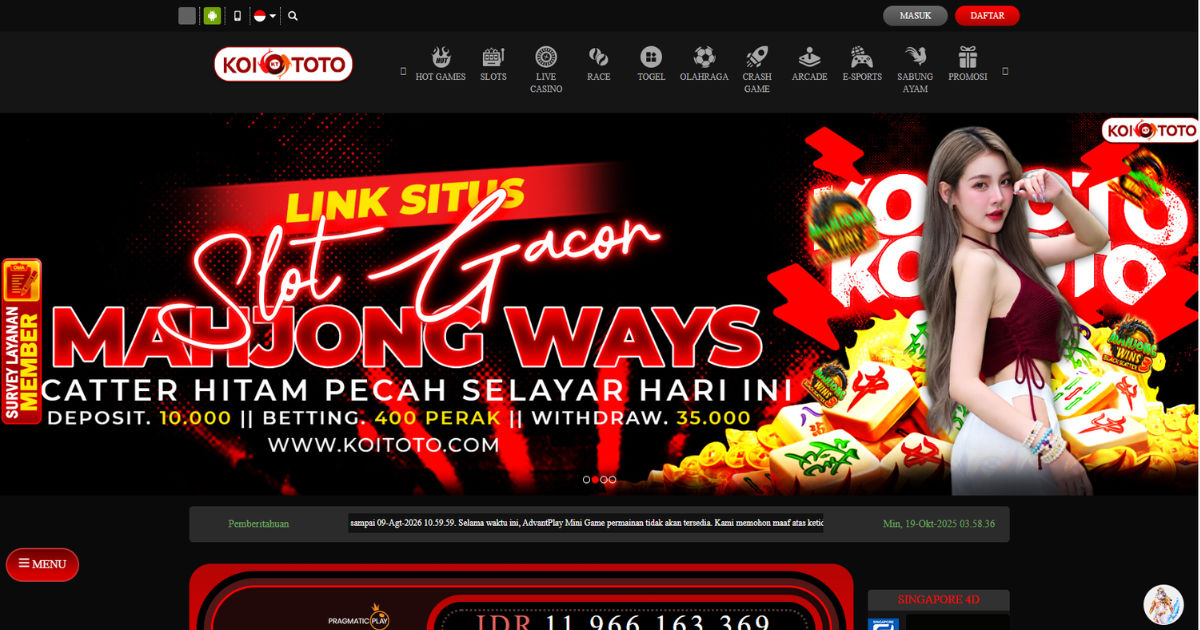
In many cases, users encounter these links through messaging apps, social media, or ads that promise bonuses or easy access. Platforms or names like “koitoto” may sometimes appear in these environments, but the real issue is not the name itself—it is how the link is used and what it hides behind it.
Understanding these risks is important for protecting your personal data, device security, and financial safety.
What Are Shortened Links?
Shortened links are URLs that have been compressed using services like bit.ly or other URL shorteners. Instead of showing the full website address, they convert it into a short, random-looking string.
Why People Use Them
Short links are used because:
- They are easier to share
- They look cleaner on social media
- They hide long tracking parameters
- They can be used in marketing campaigns
But this “hiding” feature is also what makes them risky.
Why Short Links Are Dangerous in Gambling Contexts
When shortened links are used in gambling-related promotions, they can become a tool for deception. Users cannot see where they are actually being directed before clicking.
Hidden Destination Risk
The biggest risk is that users cannot verify the final website. A link might look harmless but redirect to:
- Fake login pages
- Scam gambling platforms
- Malware download pages
- Phishing sites designed to steal data
No Transparency
A normal link might show something like:
examplecasino.com
But a shortened link shows:
bit.ly/xyz123
There is no way to know what is behind it without clicking or using a preview tool.
Rapid Domain Switching
Some gambling-related campaigns frequently change domains to avoid being blocked. Shortened links make this easier because:
- One link can redirect multiple times
- The final destination can be changed anytime
- Users cannot track updates easily
Security Risks of Clicking Short Links
1. Phishing Attacks
Phishing is when attackers trick users into entering personal information like:
- Username
- Password
- Bank details
- OTP codes
A fake gambling login page can look real, but it is designed only to steal data.
2. Malware Infection
Some shortened links may lead to downloads that install:
- Spyware
- Keyloggers
- Adware
- Trojan viruses
Once installed, these programs can silently monitor activity or steal sensitive data.
3. Financial Fraud
Users may be asked to:
- Deposit money into fake accounts
- Send payments for “verification”
- Pay fake withdrawal fees
These scams are often disguised as “bonus activation” or “account upgrade” steps.
4. Identity Theft
When users input personal information on unsafe sites, attackers may reuse it for:
- Opening fake accounts
- Fraudulent transactions
- Social engineering attacks
Psychological Tricks Used with Short Links
Short links are not just technical tools—they are also psychological tools.
Creating Curiosity
A short link hides information, making users curious enough to click.
Urgency Messaging
They are often paired with messages like:
- “Limited bonus”
- “Claim now”
- “Only today”
This pushes users to act without thinking.
Trust Illusion
If a link is shared by a friend or group, users assume it is safe—even when it is not.
Risks Specific to Gambling-Style Websites
Even without naming specific platforms, gambling-style sites often have patterns that increase risk.
Lack of Regulation
Many sites operate without clear legal oversight, meaning:
- No user protection laws
- No refund guarantees
- No complaint system
Aggressive Marketing
They often rely on:
- Referral links
- Bonus traps
- Repeated promotional messages
Account Lock-in Tactics
Some platforms make it easy to deposit money but difficult to withdraw it.
How Short Links Hide Tracking and Data Collection
Many shortened URLs also track user behavior before redirecting.
What Can Be Tracked
- Device type
- Location (approximate)
- Click time
- Browser data
This data can be used for targeted advertising or, in worse cases, malicious targeting.
Warning Signs of Unsafe Short Links
Suspicious Messaging
If the link comes with messages like:
- “Guaranteed win”
- “Instant bonus”
- “No loss system”
It is likely unsafe.
Unknown Sender
Links from unknown numbers or accounts should always be treated carefully.
Too Many Redirects
If a link opens multiple pages before reaching a final site, it is a red flag.
How to Protect Yourself
1. Preview the Link
Some tools allow you to expand shortened URLs before clicking.
2. Use Security Software
Antivirus tools can block malicious sites or downloads.
3. Avoid Logging in Through Shared Links
Always go directly to official websites instead of clicking shared links.
4. Check Website Legitimacy
Look for:
- HTTPS security lock
- Verified domain name
- Clear contact information
The Role of Awareness in Online Safety
The most effective protection is awareness. Many scams succeed not because they are advanced, but because users are not cautious.
Understanding how shortened links work helps users:
- Think before clicking
- Recognize manipulation tactics
- Avoid financial loss
Conclusion
Shortened links may look simple and harmless, but they can hide serious risks—especially when used in gambling-related promotions. From phishing attacks to malware infections and financial fraud, the dangers are real and increasing as online scams become more sophisticated.
The key takeaway is that users should never trust a link just because it looks short, convenient, or widely shared. Always verify before clicking, especially when money, personal data, or account access is involved.
In the digital world, caution is not optional—it is necessary for safety.