
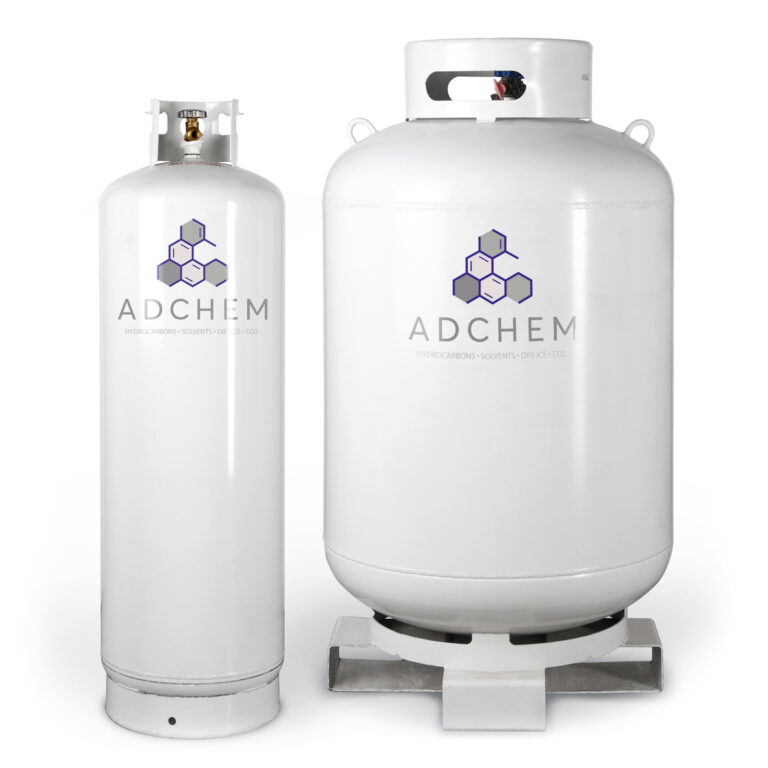
Purity Matters More Than Price Here
Ask an extraction technician about butane sourcing and they’ll almost universally skip past brand loyalty and go straight to purity ratings, because that’s genuinely the number that determines whether a batch passes testing or gets scrapped. Anything below 99.5% purity starts leaving behind residual compounds that show up clearly in lab testing later, and that’s the kind of failure that costs an entire batch of product, not just a disappointing customer review or a minor quality complaint.
The math here is unforgiving in a way that a lot of newer operators underestimate before their first failed test. A drum of lower-purity butane might save a few dollars upfront, but a single failed batch resulting from residual solvent contamination can wipe out that savings many times over once you account for the wasted plant material, the lab testing fees already spent, and the lost production time waiting on a retest.
Why Serious Operations Won’t Chase the Cheapest Price
That’s why most serious extraction operations refuse to buy from whoever happens to be cheapest in a given week, even when tight margins make the temptation genuinely real, especially during slower seasons when every line item on a budget gets scrutinized. A technician in Denver told me his team switched suppliers twice over the course of about a year before finally settling on one that could document purity on every single drum with an actual certificate of analysis, rather than just a verbal assurance from a sales rep that “it’s the good stuff.”
That documentation turned out to matter more than he initially expected. When state auditors started requesting supply chain records more aggressively as part of routine compliance checks, having a paper trail connecting every batch back to a documented, purity-verified source made the audit process dramatically less stressful than it would have otherwise been. Operators without that documentation have described audits as genuinely nerve-wracking experiences, scrambling to reconstruct records after the fact instead of simply pulling them from a file.
Moving From Reactive to Scheduled Ordering
They now order extraction grade butane on a fixed schedule instead of reactively ordering whenever supply started running low, which used to trigger a kind of low-grade panic buying before big production runs. Reactive ordering has a way of quietly degrading decision quality. When you’re placing an order because you’re already running low, there’s less time to shop around, verify documentation, or negotiate pricing, and you end up more willing to accept whatever’s immediately available rather than what actually meets your standards.
Switching to a predictable weekly or biweekly order schedule fixed that dynamic almost immediately. It also gave the team enough lead time to build a real relationship with their chosen supplier, one where questions about purity, documentation, and delivery timing could be worked out calmly rather than under the pressure of an active production shortage.
What This Looks Like for Newer Labs
For labs just getting started, the temptation to prioritize price over documentation is understandable, since margins are often thinnest in the early months of operation before volume builds up. But the technicians who’ve been through a failed batch caused by solvent purity issues are unanimous on this point: the cost of building supplier relationships around verified purity from day one is small compared to the cost of learning that lesson after a failed test destroys a batch that took weeks of cultivation to produce.
The practical advice that came up repeatedly was straightforward. Ask for a certificate of analysis on every order before it becomes a habit not to ask. Request documentation showing consistent purity across multiple batches, not just a single sample result that might not represent what actually ships. And treat a supplier’s willingness to provide that paperwork without pushback as a meaningful signal about how seriously they take quality control on their end, since a supplier who bristles at a documentation request is telling you something worth paying attention to.
What a Failed Batch Actually Costs, Line by Line
It’s worth walking through the actual math of a failed batch, since the number tends to be larger than technicians estimate when they’re only thinking about the wasted solvent itself. A failed batch means the plant material is gone, often representing weeks of cultivation time and its own separate input costs that don’t get recovered. It means the lab testing fee already paid to confirm the failure, plus a second testing fee once a corrected batch is eventually ready. It means the production time spent running the failed batch in the first place, time that could have gone toward a batch that actually passed.
The Denver technician walked through this calculation for a mid-sized batch his team had scrapped due to a documented purity issue traced back to a supplier switch they’d made purely to save money, and the total came out to roughly eight times what they would have saved by sticking with their documented, slightly more expensive supplier for that same period. That’s the kind of number that tends to change a team’s purchasing philosophy permanently once it’s actually calculated rather than left as an abstract risk.
He now walks new hires through that same calculation during onboarding, specifically so the reasoning behind the lab’s strict documentation requirements doesn’t come across as arbitrary policy handed down from management, but as a lesson grounded in a real, specific, and expensive mistake the whole team learned from together.